
Your medical plan
Covers doctor visits, hospital care, prescriptions, and medical eye conditions. Adult dental and routine eyewear are often not included.
Serving individuals, families & businesses across Greater HoustonServing Greater Houston
Dental & vision insurance
Many medical plans don’t fully cover adult dental or routine vision care. Dental and vision insurance are separate types of coverage that can help with cleanings, fillings, eye exams, and eyewear — when you understand how each one works.

The basics
Dental and vision are separate policies with their own benefits, networks, and limits. You can consider either one on its own.
Dental insurance helps with the cost of preventive, basic, and major dental care. Vision insurance helps with routine eye exams and allowances toward glasses or contact lenses.
People often review them at the same time because both cover routine care that many health plans leave out for adults. Some carriers offer them side by side, but they are not always available as a combined plan, and you don’t have to buy one to get the other.
The value of each depends on your dentist and eye doctor, how often your family needs care, and how the plan’s waiting periods, maximums, and allowances work.
Each coverage works differently. Here’s what to know about each.
Dental insurance
Dental plans reward prevention: cleanings and exams are usually covered at the highest level.
Most dental plans group services into tiers. Preventive care such as cleanings, exams, and routine X-rays is typically covered at the highest percentage. Basic services like fillings are covered at a lower percentage, and major services like crowns, bridges, or dentures lower still.
Plans usually have an annual maximum — the most the plan will pay in a year — and many apply waiting periods before basic or major services are covered.
Some plans let you see any dentist; others work through a network (DPPO) or require you to choose an in-network dentist (DHMO). The right structure depends on your dentist and expected needs.
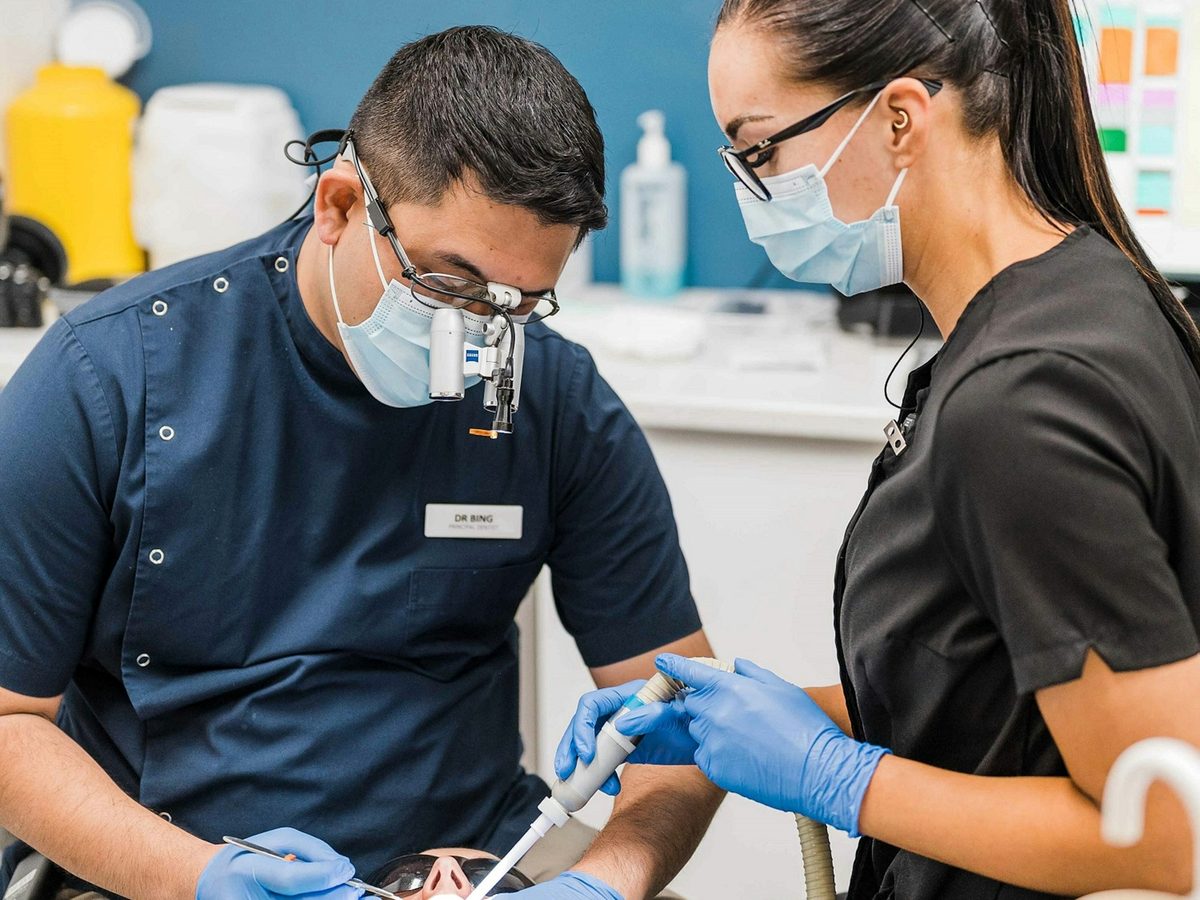
What dental coverage can help with
What to look at before you enroll
Keep in mind
Vision insurance
Vision insurance is about routine eye care. Medical eye conditions are generally covered by health insurance.
A typical vision plan covers a routine eye exam on a set schedule, often once every 12 months, plus an allowance toward frames and lenses or contact lenses.
Plans often use networks of optometrists and retailers. Staying in network usually means lower copays and higher allowances; out-of-network benefits may be a reimbursement up to a set amount.
Treatment for eye diseases or injuries, like glaucoma or an eye infection, is generally handled by your medical plan rather than vision insurance.
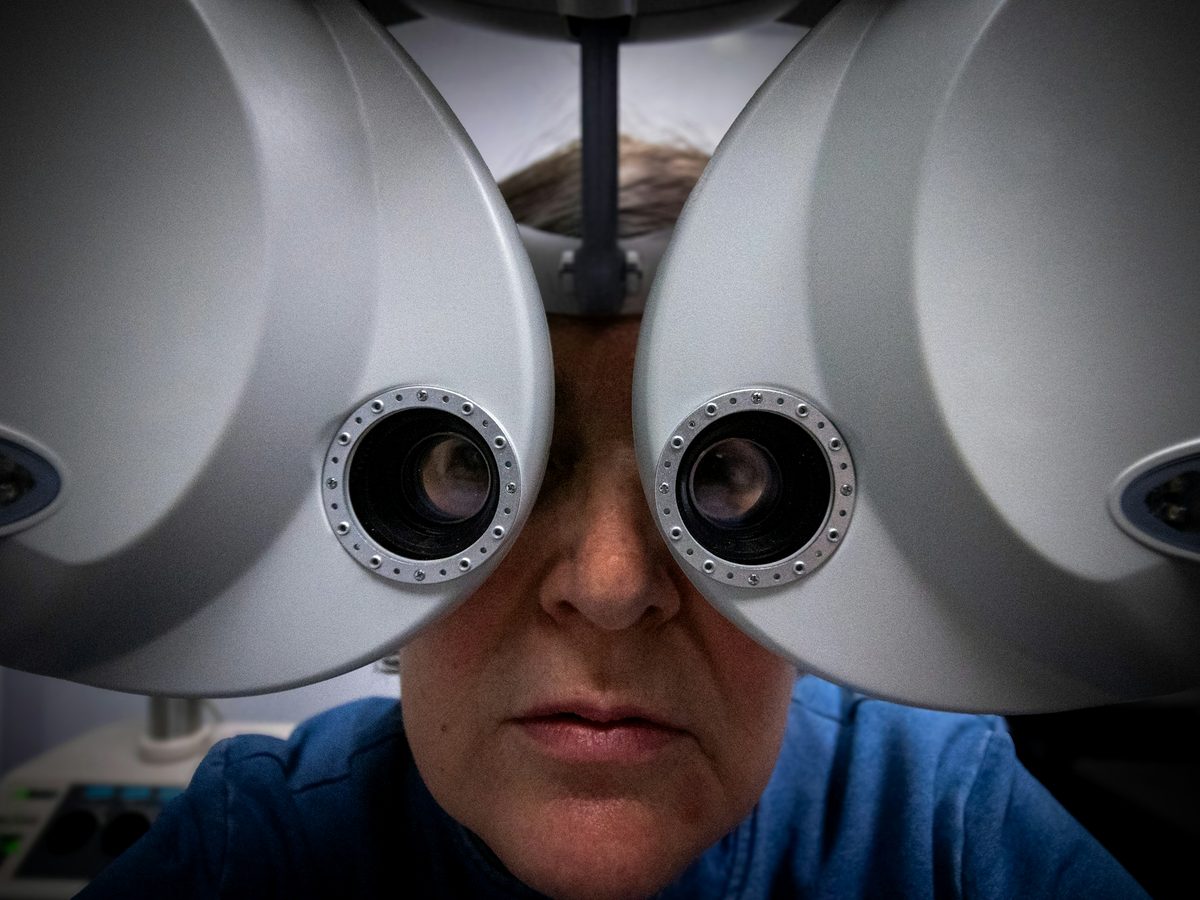
What vision coverage can help with
How a vision plan works
Keep in mind
Needs it may address
Dental and vision coverage are designed to sit alongside a medical plan, not replace it.
Covers doctor visits, hospital care, prescriptions, and medical eye conditions. Adult dental and routine eyewear are often not included.
Adds preventive, basic, and major dental care, subject to waiting periods and an annual maximum.
Adds routine eye exams and allowances toward glasses or contacts on a set schedule.
How it works
Look at any dental or vision benefits through work, a spouse’s plan, or your health plan (pediatric dental is often included).
Cleanings, fillings, crowns, exams, glasses, or contacts for each family member.
Weigh premiums against waiting periods, maximums, and allowances for that expected care.
Each coverage stands on its own. Choose only what makes sense for your household.
Plan considerations
Important limitations
Side by side
| Feature | Dental insurance | Vision insurance |
|---|---|---|
| Covers | Preventive, basic, and major dental services | Routine eye exams and eyewear allowances |
| Common limits | Annual maximum, waiting periods, frequency limits | Allowances and fixed benefit schedules |
| Networks | DPPO, DHMO, or any-dentist plans | Network optometrists and retailers |
| Not covered | Usually cosmetic work; orthodontia varies | Medical eye care and usually LASIK |
Dental and vision are separate coverages. They may be offered together by some carriers, but they are not always available as a combined plan.
Questions
No. They are separate coverages. You can consider either one on its own, and they aren’t always available as a combined plan.
Pediatric dental is often available with health plans, but adult dental is frequently separate. Check your plan documents or ask during a review.
Many plans have waiting periods for basic and major services, so coverage for immediate needs may be limited. Some plans shorten or waive waiting periods with proof of prior coverage.
It’s the most a dental plan will pay for covered services in a year. Costs above it are your responsibility.
Usually not as a covered benefit, though some plans offer discounts through participating providers. Check the plan details.
It depends on the premium compared with what you’d pay for exams on your own. A quick comparison can show whether it makes sense for your household.
Free consultation
We discuss who needs coverage, your budget, and what you have today — by phone or video, at no cost.
Cameron explains plan choices, costs, waiting periods and limitations so you can compare with confidence.
You decide whether and when to apply. Eligibility, approval and final pricing are set by the insurance company.
Prefer to pick a time now?
Book directly on Cameron’s calendar by phone or video.
Or reach out directly
Next step
Compare dental and vision options, networks, and waiting periods in a short consultation — together or separately.

Talk directly with Cameron McClendonLicensed Insurance Agent
Not ready to book? Send a message
Prefer email? cameron@mcclendongroup.net
General, educational information only — not a policy or a quote. Benefits, exclusions, limitations, waiting periods, networks, eligibility, and costs vary by carrier, plan, and location. Coverage is subject to the terms of the policy or certificate. McClendon Benefits Solutions is the business name of Cameron McClendon, a Texas-licensed General Lines Agent (Life, Accident, Health and HMO), license #3253199.